Charter schools live and die by the ability to demonstrate stability. Your authorizer isn't only asking whether the school is good this year; they're asking whether it's built to last. And few things undermine that story faster than a technology budget that lurches from one emergency to the next: an unbudgeted server replacement in the fall, a network overhaul forced by an outage in the spring, a security tool purchased in a hurry after an incident. Each of those is defensible on its own. As a pattern, it reads as a school reacting rather than planning, exactly the impression you don't want on the record as renewal approaches.
The timing makes it sharper. With the new year underway, you're in a season of accountability: enrollment counts, state reporting, and an authorizer relationship that rewards evidence of long-term operational and financial sustainability. Per-pupil funding leaves little slack, so an unplanned technology expense doesn't just strain the budget; it competes directly with instruction for dollars you can't spare. And when the emergency spending shows up in your financials year after year, it becomes part of the narrative your authorizer evaluates: a narrative about whether this school can be trusted with another charter term.
There's an internal weight here too. On a lean administrative team, the person making the call on a sudden five-figure technology expense is often a school leader or operations director who never signed up to be an IT strategist. You're forced to make fast, high-stakes decisions about systems you weren't trained to evaluate, under budget pressure, with no clear map of what's coming next year or the year after. That's stressful, and it pulls your attention away from the work that actually keeps your charter strong.
The deeper issue is philosophical. Your school exists to educate students and to prove, year after year, that the charter model works. It shouldn't have to prove its stability while its own technology budget behaves unpredictably. Technology should be evidence of your sustainability, not a recurring threat to it: a planned investment your authorizer can see, not a series of surprises you're constantly explaining.
That's the gap IT for Education closes. For more than 24 years, we've worked exclusively with K-12 schools, including charter schools across the Tri-County Florida area, and since 2002 we've helped lean administrative teams operate with the financial predictability of a much larger one. We understand authorizer expectations, state reporting rhythms, and per-pupil budget realities, and we know how much a defensible, multi-year technology plan strengthens a renewal file. We're an MSP Titans in Education Award recipient supporting thousands of students, teachers, and administrators across Florida. You shouldn't have to become an IT department of one to show your authorizer a plan.
As the new year picks up speed, we recommend three steps:
Schedule a Discovery Meeting: we learn about your school's goals, current technology environment, enrollment trajectory, and reporting obligations.
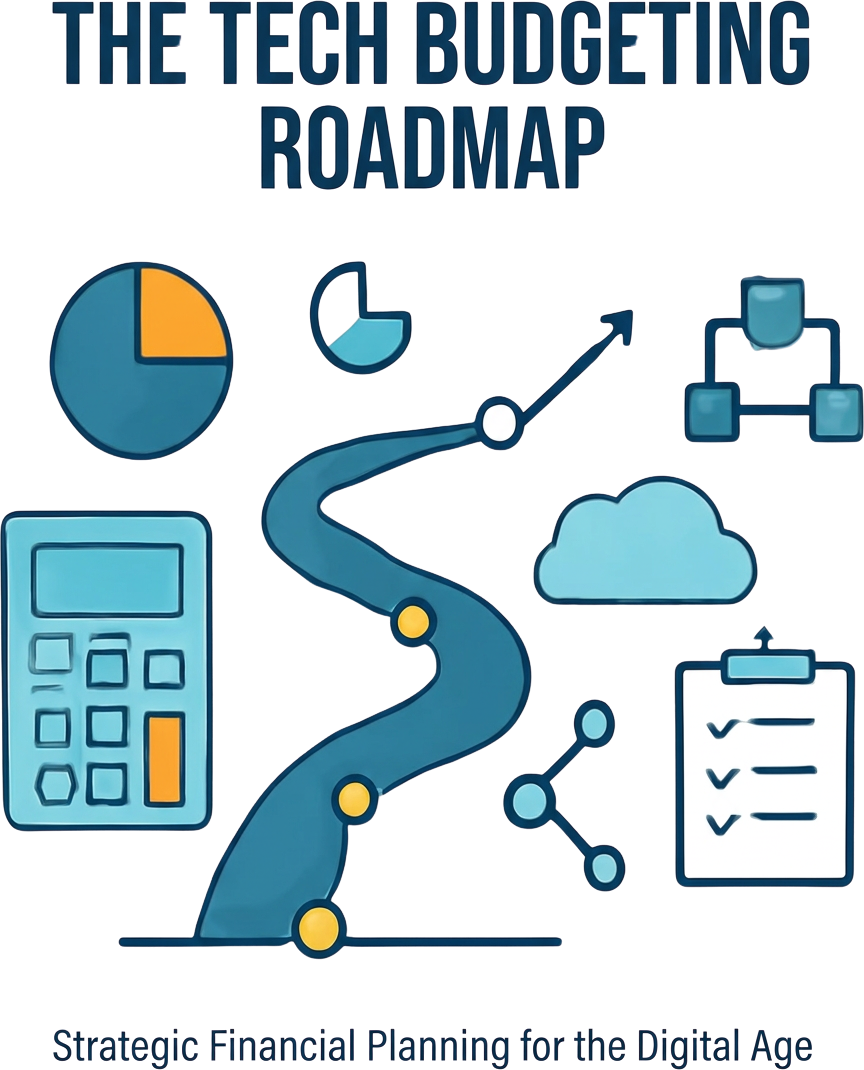
Assess and Build a Roadmap: we identify what's aging, what's at risk, and what it will cost to address, and build a multi-year plan aligned to your funding cycle and authorizer expectations.
Support, Secure, and Strategically Guide: we proactively manage your systems and keep the roadmap current, so surprise expenses become rare and your financials tell a story of planning.
Charter schools that plan the multi-year horizon now can show an authorizer exactly what they intend to invest and why: evidence of a stable, well-run operation. Schools that keep spending reactively often pay more, strain a lean budget harder, and hand their authorizer a pattern of emergencies right when the renewal conversation matters most.
There's still time, even as the year accelerates, to replace the pattern with a plan. Let's build the multi-year roadmap that makes your technology part of your sustainability story.