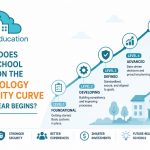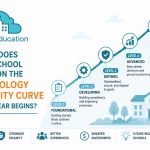
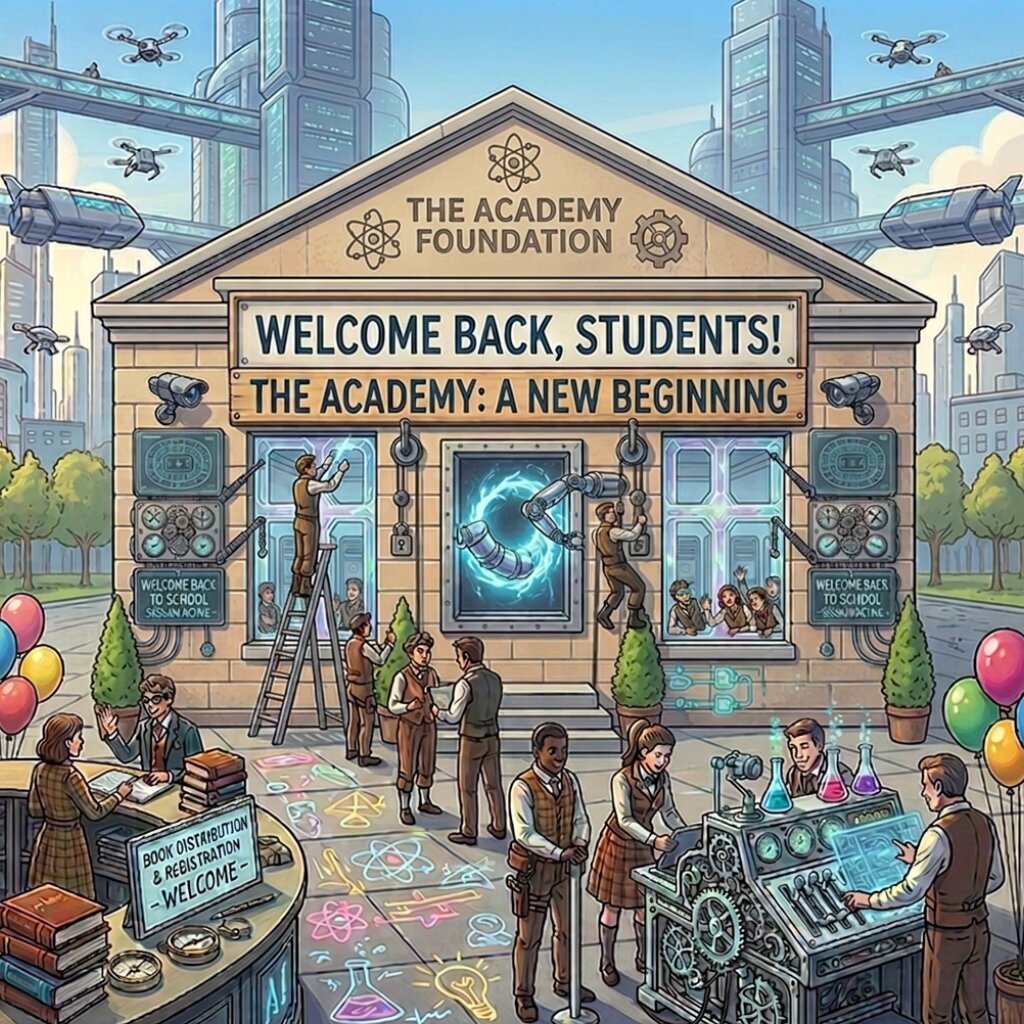
There's a difference between technology that's "on" and technology that's ready. Every device is plugged in. The network shows a green light. The projectors work when you test them in an empty classroom. But the moment your teachers walk back onto campus for in-service week, the real test begins: forty devices per access point instead of two, a full parking lot pulling on the same internet connection, a front office fielding enrollment paperwork and technology questions in the same breath.
For Catholic schools across the Archdiocese, this moment carries extra weight. Many of your campuses have served families for generations, sometimes on infrastructure that has quietly aged alongside the buildings themselves. You're stewarding something bigger than a network closet. You're stewarding the trust of parish families who chose your school because of what it stands for, and increasingly, technology is part of how that trust gets tested. A Wi-Fi outage during the first week of religious education classes, a device cart that won't charge before the opening all-school Mass, a shared drive that goes down right as staff are finalizing rosters. These aren't just IT tickets. They're the first impression of the school year, for teachers who are already stretched thin.
The internal weight is real too. As a principal, president, or diocesan administrator, you're not just managing a campus; you may be managing several, each with its own quirks, its own aging equipment, its own IT arrangement inherited from a previous administration. You didn't sign up to become a network engineer, and you shouldn't have to be one to know whether your school is actually ready for the year ahead.
Here's the philosophical truth underneath all of it: your staff and students should be focused on formation, instruction, and community, not on troubleshooting a printer during the first faculty meeting. Technology should be invisible when it's working right, supporting the mission quietly in the background rather than becoming the story.
This is exactly the gap IT for Education exists to close. For more than 24 years, we've worked exclusively with K-12 schools, and for over two decades we've partnered specifically with Florida's Catholic and faith-based school communities, understanding both the technical needs and the stewardship responsibilities that come with serving a diocese. We know you're already wearing enough hats.
As your team returns for the new year, we recommend three steps:
Schedule a Discovery Meeting: a conversation about your campus goals, current pain points, and what "ready" needs to look like before the first bell.
Assess and Build a Roadmap: a clear-eyed look at where your infrastructure is strong, where it's at risk, and a plan aligned to your budget and calendar.
Support, Secure, and Strategically Guide: ongoing, proactive management so the next fire drill isn't a real one.
Schools that take this step now walk into the new year with predictable technology, fewer surprises, and staff who can focus on students instead of support tickets. Schools that wait often spend the first month of the year reacting, patching problems that could have been caught before the doors opened, while teachers lose valuable setup time to slow systems and staff quietly lose confidence in the tools they're handed.
There's still time to close the gap before the first bell. Let's make sure your technology is ready to serve your mission the moment your community walks back through the door.